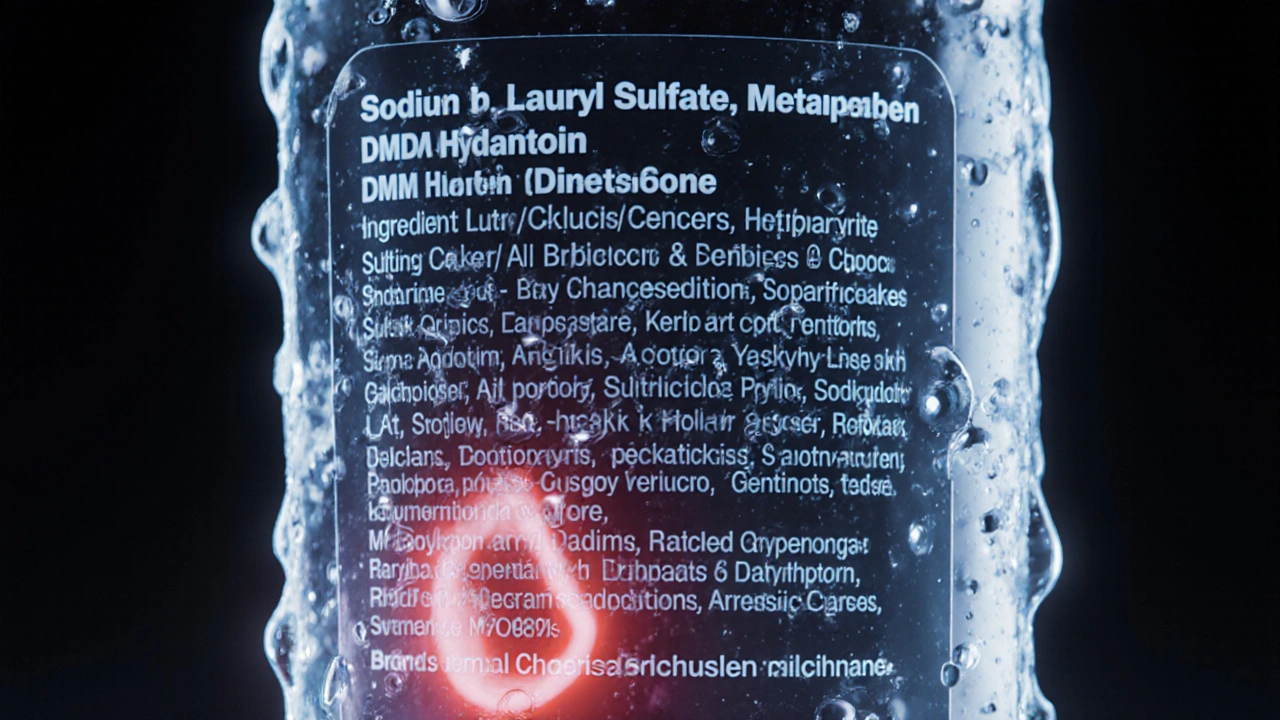
Šampon složky: Co skutečně stojí za vaším čistým vlasem
When you pick a shampoo, you’re not just buying cleanliness—you’re choosing a mix of chemicals that either support or damage your hair and scalp. Šampon složky, složky, které se nacházejí ve vlasových produktech a ovlivňují jejich účinek, bezpečnost i dlouhodobý vliv na vlasy. Also known as vlasové ingredience, these ingredients determine whether your hair feels soft or stripped, healthy or brittle. Most people don’t check the label because it looks like a science experiment. But you don’t need to be a chemist to understand what’s really in there.
Let’s start with the big three: surfaktanty, povrchově aktivní látky, které odstraňují špínu a olej z vlasů a kůže hlavy. Also known as čisticí prostředky, these are the workhorses of shampoo. Sodium lauryl sulfate (SLS) is the most common—and the most aggressive. It cleans well, but it can dry out your scalp, trigger itching, and even worsen dandruff. If your hair feels tight or straw-like after washing, SLS might be the reason. Look for gentler alternatives like sodium cocoyl isethionate or decyl glucoside—they clean without stripping. Then there are silicony, látky, které vytvářejí jemnou vrstvu na vlasech a dělají je hladké a lesklé na první pohled. Also known as silikonové přísady, they’re not harmful per se, but they build up over time. That’s why your hair might feel heavy, limp, or resistant to styling after months of using the same shampoo. If you notice this, switch to silicone-free products for a few weeks—you’ll be surprised how much volume comes back.
And then there are the hidden ones: parabeny, konzervanty, které zabíjejí bakterie, ale mohou rušit hormonální rovnováhu. Also known as chemické konzervanty, they’ve been linked to skin irritation and long-term endocrine disruption. Many brands have moved away from them, but they’re still hiding in cheaper products under names like methylparaben or propylparaben. Check the list. If you see them, walk away. Other troublemakers include phthalates (used for fragrance), formaldehyde-releasing agents, and artificial dyes. They don’t make your hair better—they just make the product look and smell more appealing.
You don’t need a 20-ingredient shampoo to have clean, healthy hair. In fact, the simpler the list, the better. Real results come from consistent care, not from fancy marketing claims like "miracle repair" or "professional salon formula." If your shampoo leaves your scalp feeling calm and your hair manageable without weighing it down, you’ve found a good one. And if you’re switching from a harsh formula, give your scalp a few weeks to adjust—it might get oily or flaky at first, but that’s just your skin resetting.
Below, you’ll find real-life breakdowns of what’s actually in your shampoo, how to read the label like a pro, and which ingredients to avoid if you want healthy hair without the guesswork. No fluff. Just facts you can use tomorrow.